
Consider an illustrative case: a media-company worker is laid off with what every personal-finance writer would call a healthy emergency fund — four months of expenses, in a high-yield savings account. They find a new role nine months later. They do not run out of money, but they come far closer than they expected to. In a labor market where senior job searches now routinely run past four months, that scenario is not unusual.
The phrase "three to six months of expenses" has been the default emergency-fund advice for at least three decades. It was probably good advice in 1995, when the median spell of unemployment was around two months. It is increasingly suspect in 2026, when the same figure has roughly doubled for white-collar workers and is even longer in sectors going through structural change.
Where the "three to six months" number came from
An early mainstream reference for the three-month rule is Andrew Tobias in The Only Investment Guide You'll Ever Need, 1978 edition. Six months started showing up in personal-finance columns in the early 1990s. Suze Orman popularized "eight months" around 2010. The numbers shifted with the times, but they were always anchored to one thing: how long the typical job search took.
According to the U.S. Bureau of Labor Statistics, the median duration of unemployment was roughly 8 weeks in the mid-1990s, rose past 21 weeks in the aftermath of 2008, and has since settled back toward the high single digits for the broad workforce. But the broad number disguises wide variation by industry and seniority. For workers over 45, for senior roles, and in sectors going through layoffs, the median sits considerably higher — and tech and media during recent layoff cycles have seen averages above six months.
What 2026 actually looks like
Three things have changed:
- Job searches have lengthened for senior workers. The higher the salary band, the smaller the pool of available roles and the longer the screening process.
- Health insurance is more expensive when you are not employed. COBRA premiums in the US, even for healthy households, frequently exceed $1,800/month for a family.
- Severance is less common. Twenty years ago a layoff at a large company often came with three to six months of pay. In 2025 the median severance was four weeks.
The combined effect is that the buffer needed to survive a job loss with the same comfort as 2005 is roughly double, in months of expenses.
A worked example of sizing a fund
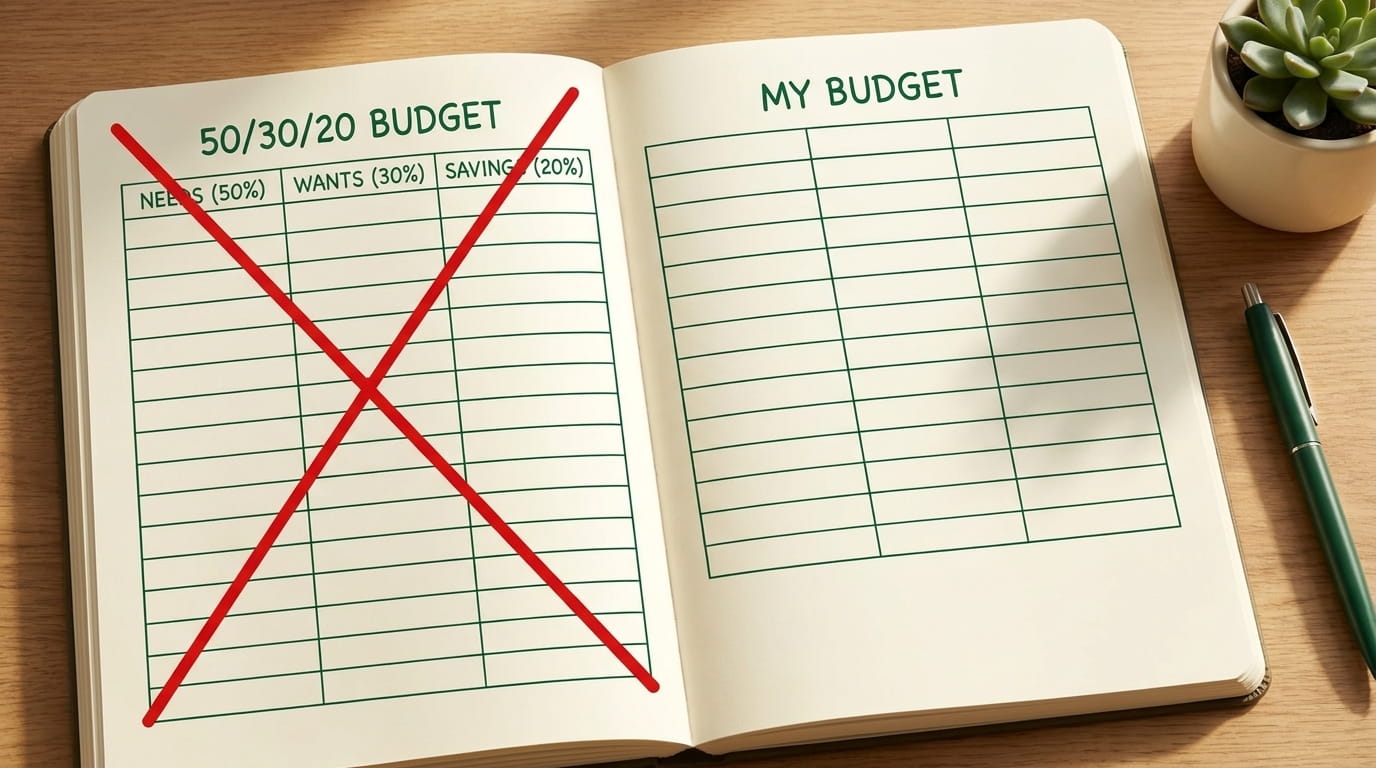
Here is the kind of table worth plugging into a spreadsheet. The numbers below are an illustrative single-person budget in a high-cost city; yours will look different — that is the point.
| Line item | Monthly cost | Notes |
|---|---|---|
| Rent & utilities | $2,950 | Fixed |
| Groceries & household | $650 | Conservative |
| Transit | $140 | Subway only |
| Health insurance (COBRA) | $680 | Single coverage |
| Phone, internet | $95 | Fixed |
| Minimum debt payments | $280 | Student loan only |
| Total bare-bones monthly | $4,795 |
Six months of that is $28,770. Three months is $14,385. The bigger number is uncomfortable to look at. It is also the number that survives honest scrutiny.
For most households in this kind of position, six months is the more defensible target — not because a six-month job hunt is likely, but because it beats making decisions about an apartment with three weeks of runway left. The whole point of the fund is that it lets you say no to a bad next role.
An emergency fund is not optimized for return. It is optimized for the ability to make calm decisions during a stressful month.
Where to keep it
In 2026 a decent high-yield savings account pays around 4%. A money market fund pays slightly more, with negligible additional risk. Both beat what brokerage cash sweep accounts pay. Wherever you keep it, make sure the account is covered by deposit insurance — the FDIC for banks, the NCUA for credit unions. The other rules are simple: it should be reachable within two business days, it should be in a different bank from your everyday checking (so you do not casually transfer from it), and you should not have a debit card attached.
One thing to avoid: investing the emergency fund in stocks or bond funds. The single time you need it is the most likely time the market is also down. Treat the fund like fire extinguishers — boring, undisturbed, fully functional.
How to build it fast if you are starting from zero
If you do not have one yet, here is a path that tends to work:
- Save $1,000 first. This first thousand is the most psychologically important. It covers the small surprises that otherwise become credit-card debt.
- Pause optional savings. If you are contributing to a brokerage account, pause it until the fund is at one month of bare-bones expenses. Continue any employer 401(k) match — that is not optional money.
- Route the first $300 of every paycheck. Automate the transfer the same day pay arrives. Money never seen is not money missed.
- Top up with windfalls. Tax refund, bonus, birthday cash. Half goes to the fund until you hit target.
For a US household making the median income, six months of bare-bones is reachable in roughly 18 months of disciplined effort. It feels glacial. It is fine. The destination is what matters; the route only needs to keep moving.